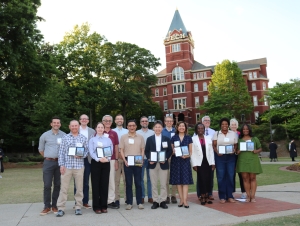
The College of Sciences recognized faculty and staff excellence during this signature event.
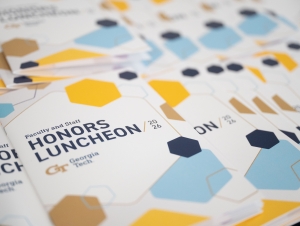
Several members of the College of Sciences community were honored at the 2026 Georgia Tech Faculty and Staff Honors Luncheon.

The Office of the Vice Provost for Faculty recognizes faculty and research professionals promoted this spring across academic, research, and Library roles.
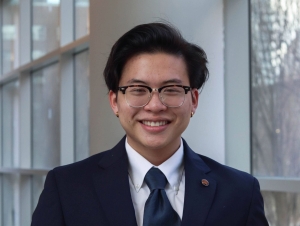
Elliot Huang will graduate in May with bachelor’s degrees in psychology and computer science, along with minors in computation and cognition, health and medical sciences, and the science of mental health and well-being.
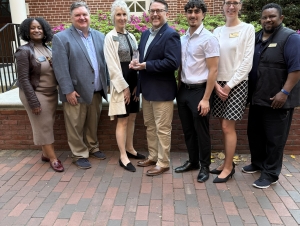
The event provided an opportunity for students and alumni to network and engage in career-focused discussions.
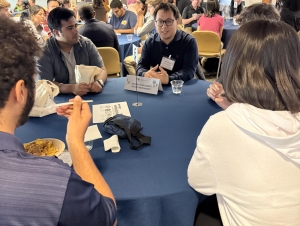
The event provided an opportunity for students and alumni to network and engage in career-focused discussions.
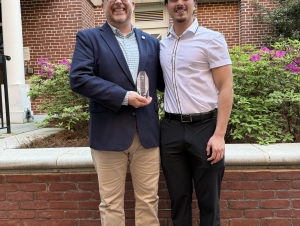
The event provided an opportunity for students and alumni to network and engage in career-focused discussions.

Researchers at Georgia Tech are using math, science, and artificial intelligence to better understand how people think, move, and perceive the world.
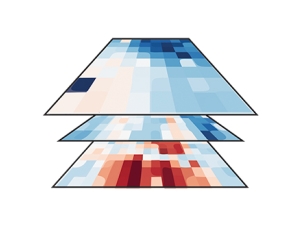
Researchers at Georgia Tech are using math, science, and artificial intelligence to better understand how people think, move, and perceive the world.
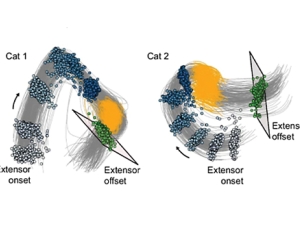
Researchers at Georgia Tech are using math, science, and artificial intelligence to better understand how people think, move, and perceive the world.